

What to sow and grow this February
Your support helps us to tell the story
From reproductive rights to climate change to Big Tech, The Independent is on the ground when the story is developing. Whether it’s investigating the financials of Elon Musk’s pro-Trump PAC or producing our latest documentary, ‘The A Word’, which shines a light on the American women fighting for reproductive rights, we know how important it is to parse out the facts from the messaging.
At such a critical moment in US history, we need reporters on the ground. Your donation allows us to keep sending journalists to speak to both sides of the story.
The Independent is trusted by Americans across the entire political spectrum. And unlike many other quality news outlets, we choose not to lock Americans out of our reporting and analysis with paywalls. We believe quality journalism should be available to everyone, paid for by those who can afford it.
Your support makes all the difference.
As the chill of winter begins to ease, February is the perfect time to start preparing for the growing season ahead.
Whether you’re a seasoned gardener or a first-time grower, this month offers exciting opportunities to sow new seeds and nurture hardy crops that will ensure your garden is ready to flourish as spring approaches.
We’ve chatted a gardening expert who has shared his recommendations on what plants to sow and grow this February, plus some handy care tips which will help them thrive…
Cauliflower
The end of winter is the perfect time to get some early varieties of vegetables in the soil, and hardy vegetables such as cauliflower particularly thrive this time of year.
“Cauliflower can be sown at this time, ready for early crops,” says Andrew White, gardening expert at Rhino Greenhouses Direct. “Many varieties prefer to be planted deep and covered until they have germinated.
“Cauliflowers thrive in modules or in a seed bed, and should ready to be transplanted after six weeks.”
And mulching is the key to success.
“You’ll want to keep the cauliflowers mulched, to retain water, and if the sun starts getting strong before they’re ready to harvest, you may want to shade them with some larger leaves,” suggests White.
Pak choi
Growing your own pak choi will bring some lovely sweet flavours and textures to your spring dishes.
“Plant in your greenhouse in February, transplant in March and get ready to harvest as soon as April,” instructs White. “However, some baby choi varieties are ready to harvest just 50 days after sowing.”
These leafy Chinese veggies are used to hot conditions, so a cosy greenhouse with stable conditions is ideal for end of winter and into spring planting.
“Plant seeds well-spaced and to a shallow depth in compost, and set it in a south-facing position in your greenhouse,” advises the gardening expert. “Water consistently, without leaving the soil soggy, and thin the seedlings out as they grow.”
Carrots
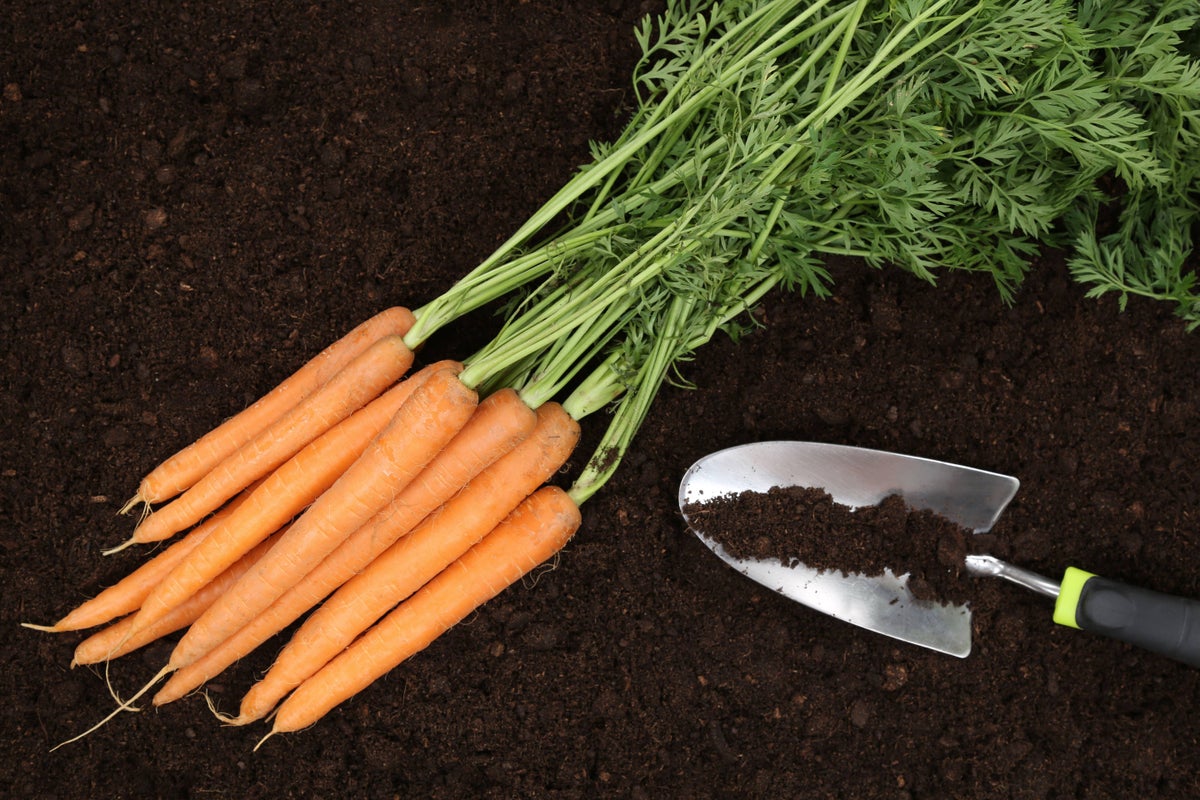
Homegrown carrots often encompass a more pronounced earthy sweetness, and if you sow them now you’ll be able to enjoy them sooner.
“While carrots are usually sown outdoors from April, you can get a head start on your carrot crop with some early cultivars that can be sown in your greenhouse in February,” says White. “Your carrots need plenty of depth to grow, so containers should be 40-50cm deep, depending on the variety.”
And remember to keep the soil well-watered, as carrot seeds love moist environments.
“Prepare your pots or planters will well-watered soil and sow your carrot seeds shallowly in rows,” advises White. “Water gently to keep the soil moist for the first 10-20 days, until the seeds have germinated, and be ready to thin them out.”
Delphiniums
Add a pop of colour to your garden by planting some tall elegant delphiniums.
“This plant will thrive when planted in a greenhouse in February,” says White. “You can plant in pots or seed trays, into compost, at around just 3mm deep.
“Keep the soil covered until germination, and care for the seedlings by keeping the soil moist.”
Plus, there are a few extra things you can do to ensure they grow nice and tall.
“Separate them out when the seedlings get their second set of leaves, and once the risk of frost has passed, you can harden them off before planting them into a sunny spot, out of the wind, in well-drained soil,” recommends White.
Violas
Violas are another gorgeous flower that can be planted in February.
“Plant under a plastic lid and spray to keep moist, and make sure seed trays are placed in a bright location, but not in the direct heat of sunlight,” advises White. “Seedlings can be separated once their leaves are fully formed, and once the frosts have passed, can be planted out.”